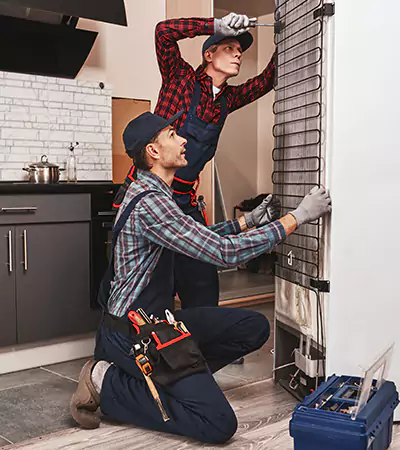

A refrigerator works all day to keep food fresh, drinks cold, plus groceries safe. When it starts failing, small warning signs can quickly turn into spoiled food, water damage, higher energy use, plus expensive repairs.
Refrigerator repair helps homeowners fix cooling, noise, leak, seal, thermostat, fan, plus compressor issues before the unit stops completely. Knowing the early signs of failure can help you call for service at the right time.
Why Fridge Problems Need Fast Attention?
Many homeowners delay fridge repair because the appliance still runs. That delay can make the problem worse when the unit struggles to hold the right temperature.
Common refrigerator problems often begin with weak cooling, strange sounds, water leaks, frost buildup, bad smells, plus constant running. These issues can affect food safety, utility costs, plus the long-term condition of the appliance.
Fridge Not Cooling Properly
A fridge not cooling problem should never be ignored because food can spoil quickly. Warm shelves, soft butter, sweating drink containers, plus melting ice can all point to cooling failure.
A refrigerator not cooling issue may come from dirty condenser coils, blocked vents, a failed fan, thermostat trouble, compressor strain, or a damaged door gasket. A technician can test the system safely before the problem leads to complete failure.
Refrigerator Stops Working
A refrigerator stopped working situation can create stress because groceries may only stay safe for a limited time. Homeowners should check the power outlet, breaker, temperature setting, plus plug before assuming the unit has failed.
If basic checks do not restore power, service should be scheduled quickly. Internal electrical parts, control boards, start relays, thermostats, plus motors need proper testing from a trained expert.
Strange Refrigerator Noises
A refrigerator making noise can signal trouble with the fan, compressor, motor, ice maker, or internal moving parts. Buzzing, clicking, grinding, rattling, or humming that sounds different from normal operation deserves attention.
Some sounds may be minor, but repeated clicking can point to compressor start issues. A service visit can help identify whether the noise comes from a worn part, blocked fan, loose panel, or failing cooling system.
Water Leaking Around the Fridge
A refrigerator leaking water can damage flooring, cabinets, baseboards, plus nearby walls. Common causes include a clogged defrost drain, cracked water line, loose connection, damaged drain pan, or faulty ice maker line.
Water near an appliance can also create electrical risk. Homeowners should clean visible water, avoid touching wet electrical areas, plus schedule service before the leak spreads.
Refrigerator Runs Constantly
A refrigerator running constantly may be working too hard to maintain a safe temperature. This can happen when coils are dirty, door seals leak, vents are blocked, or the thermostat sends incorrect signals.
Constant running can raise energy use plus strain the compressor. If cleaning the coils plus checking the door seal does not help, a technician should inspect the cooling system.
Warm Interior Temperatures
A refrigerator warm inside can mean the appliance is no longer protecting food properly. Warm air inside the fresh food section may come from airflow blockage, fan failure, low cooling output, or door seal damage.
Food safety should come first when temperatures rise. If the unit cannot stay cold, move perishable items to another cooler space while you arrange repair.
Compressor Problems
Serious refrigerator compressor problems can affect the entire cooling system. Warning signs may include clicking sounds, weak cooling, constant running, overheating, or a fridge that will not start.
The compressor is one of the most important parts of the refrigerator. A technician can test the start relay, capacitor, electrical supply, plus compressor function before recommending repair or replacement.
Fan Failure Signs
A refrigerator fan not working can cause uneven cooling inside the unit. You may notice warm spots, frost buildup, unusual noise, or weak airflow from the vents.
Most refrigerators use fans to move cold air across the fresh food section plus freezer. If a fan stops, cooling can fail even when other parts still run.
Thermostat Trouble
A refrigerator thermostat problem can cause temperature swings, freezing in the fresh food section, or weak cooling. The thermostat helps control when the cooling system turns on plus off.
Incorrect temperature readings can make the refrigerator run too much or not enough. A technician can test the thermostat plus related sensors to confirm the cause.
Door Seal Problems
A refrigerator door seal problem allows warm air to enter the unit. This forces the refrigerator to work harder, which can increase energy use plus reduce cooling performance.
Homeowners can inspect the gasket for cracks, gaps, dirt, or loose sections. If the seal no longer closes tightly, replacement may help restore better temperature control.
Ice Buildup Inside the Unit
A refrigerator ice buildup issue may appear around vents, freezer walls, drawers, or the back panel. Heavy frost can block airflow plus reduce cooling performance.
Ice buildup may point to a defrost problem, bad gasket, blocked drain, or airflow restriction. Ignoring the issue can make the refrigerator work harder until cooling becomes unreliable.
Refrigerator Problems and Solutions
| Issue | Common causes / signs | Why it matters | Typical technician checks / actions |
|---|---|---|---|
| Fridge not cooling properly | Warm shelves; soft butter; sweating drink containers; melting ice | Food can spoil quickly | Test for dirty condenser coils, compressor strain, clean coils; replace worn parts |
| Water leaking around fridge | Clogged defrost drain; damaged drain pan; faulty ice maker line | Can damage flooring, cabinets, walls; creates electrical risk | Clean visible water; inspect and replace drain, water line, connections, check ice maker line |
| Compressor problems | Clicking sounds; weak cooling; constant running; overheating | Affects entire cooling system | Test start relay, compressor function; recommend repair or replacement |
| Fan failure signs | Warm spots; frost buildup; unusual noise; weak airflow from vents | Causes uneven cooling; cooling can fail | Inspect evaporator, replace failed fan; clear blocked airflow |
| Thermostat trouble | Temperature swings; freezing in fresh food; weak cooling | Controls cooling system on/off cycles | Test thermostat and related sensors; adjust or replace |
| Temperature problems | Food spoils faster; unexpected freezing; temperature swings | Indicates control failure | Test thermostat, fan, coils, seals, control board |
Temperature Problems
Ongoing refrigerator temperature issues can make food spoil faster or freeze unexpectedly. Temperature swings may come from thermostat failure, fan trouble, dirty coils, damaged seals, or control board issues.
A simple thermometer can help homeowners track performance. If readings stay outside the safe range, professional testing can find the reason.
Bad Smells from the Fridge
A fridge smells bad problem may come from spoiled food, clogged drains, dirty drip pans, mold growth, or poor airflow. Cleaning the interior may help, but odors can return when the source remains hidden.
Persistent smells deserve attention because they may point to moisture buildup or drainage trouble. A technician can inspect hidden areas that homeowners cannot easily reach.
Basic Refrigerator Troubleshooting
Safe refrigerator troubleshooting can help rule out simple causes before service. Check the following options carefully:
- Power supply and outlet functionality
- Temperature settings
- Blocked or restricted vents
- Dirty condenser coils
- Overloaded shelves affecting airflow
- Visible door gasket damage
Homeowners should avoid opening sealed panels or touching electrical parts. If the fridge keeps failing after basic checks, professional diagnosis is the safer choice.
When Emergency Service Makes Sense?
Emergency refrigerator repair may be needed when the unit stops cooling, leaks heavily, sparks, smells like burning, or causes food safety concerns. Fast action can reduce food loss plus prevent damage to the home.
Cooling failure should be treated quickly, especially in warm weather. A timely service call can help protect groceries, flooring, plus appliance parts.
Why Professional Repair Matters?
Reliable refrigerator repair services include inspection, testing, diagnosis, repair options, plus final performance checks. A proper service visit should identify the cause instead of guessing.
Skilled professional refrigerator repair matters because cooling systems use electrical parts, fans, sensors, coils, drain lines, compressors, plus sealed components. Trained service can help prevent repeat issues.
Home Refrigerator Service
Quality home refrigerator repair gives homeowners convenient service without moving a heavy appliance far from its installed location. A technician can check the outlet, clearance, water line, leveling, ventilation, plus door swing.
Trusted residential refrigerator repair also helps protect the appliances families use every day. Service inside the home allows the technician to inspect real operating conditions.
Technician Support
An experienced appliance repair technician can test the refrigerator, explain the issue, then recommend the best repair option. This helps homeowners understand whether the problem is minor, moderate, or serious.
A technician may also provide maintenance advice after the repair. Cleaning coils, clearing vents, wiping gaskets, plus monitoring temperature can support better performance.
Finding Local Repair Help
Searching for refrigerator repair near me can help homeowners find nearby service when cooling problems appear. Local service can be helpful when food safety, water leaks, or urgent repairs require a faster response.
Before scheduling, homeowners should look for clear communication, experience with refrigerator systems, plus practical repair guidance. A good repair provider should explain the issue, estimate, parts, plus expected outcome.
Final Thoughts
A failing refrigerator usually shows warning signs before it stops completely. Weak cooling, leaks, constant running, strange noises, bad smells, frost buildup, plus temperature swings all deserve attention.
Fast professional service can protect food, reduce stress, plus help avoid larger repair costs. If basic checks do not solve the problem, call a qualified technician before the refrigerator fails completely.